Explore how Indore schools are implementing CBSE 2026 reforms with AI labs, math markets, and skill-based learning. Insights from top Indore educators
Exclusive Education Report
Math Markets to AI Days: Indore Schools Armed for Hands-on Learning
By TINA KHATRI
Indore News Bureau | April 9, 2026
From students running mini-markets to calculate profit and loss to building logic-based chatbots in classrooms, Indore is preparing for a radical classroom makeover.
With the Central Board of Secondary Education (CBSE) rolling out its 2026 curriculum reforms, Indore schools are moving past the drawing board and into the "skill lab." As the new academic session starts, Indore schools are making learning practical. Students will tackle real-world problems in activity-based classrooms, AI labs, and cross-subject projects, equipping them with the critical thinking, creativity, and applied skills needed for today’s challenges.

"Market" in the Classroom
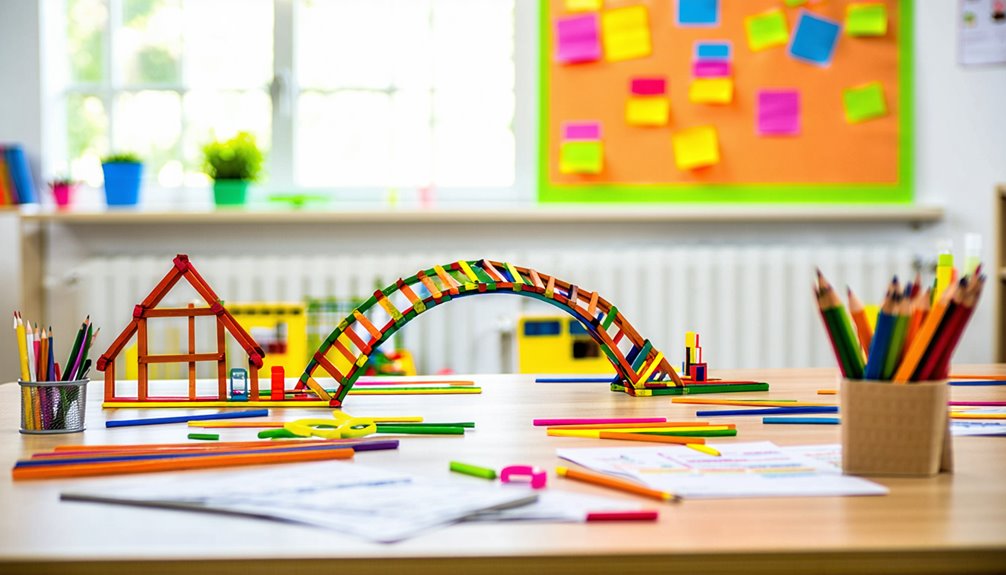
In the 2026–27 session, a math class in Indore might resemble a bustling bazaar. Schools are already preparing "Math in Real Life" simulations where students create mini-markets to apply linear equations for profit, loss, and discounts.

"The focus is shifting from memorisation to understanding. Classrooms will now include activities, case studies, and real-world problem-solving as a daily standard, rather than an exception."
Himanshu Dusane
Vice Principal, Vidarbha Podar School
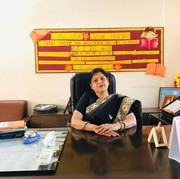
"Instead of passively listening, students will participate, analyse, and present. That builds a deeper, more permanent understanding of complex concepts."
Pratibha Kanungo
Principal, Maheshwari School
AI, Coding, and the "Smart City" Vision
Technology is now central to learning. Artificial Intelligence (AI) and coding will be mandatory for students from Classes 3 to 8. Schools are organising "AI and Future Skills Days" to demystify technology, alongside interdisciplinary projects like “Smart City” models.

"Projects like ‘Smart City’ models will require students to combine math for budgeting, science for energy, and social studies for urban planning. It ensures our students are creators of technology, not just consumers."
— Nisha Ahmad, Principal, The Emerald Heights International School
Educationist Parminder Chopra noted, "Skill Saturdays—focusing on financial literacy, public speaking, and debate—will turn academic theory into practical life skills."

Reducing the "Exam Fever"
The reforms also change assessment patterns. Nearly 50% of exam questions will now focus on competency, application, and real-world problem-solving, addressing long-standing issues with rote learning.
In addition, a two-level examination system for subjects like Mathematics and Science allows students to select a "Standard" or "Advanced" track based on proficiency. Supporting this shift, the India Skills Report 2026 shows only 56% of graduates are considered employable under current standards, highlighting the urgent need for skill-oriented, hands-on education.

"When students learn through activities, exam anxiety reduces. They feel more confident and engaged when they aren’t just memorising for a one-day test."
— Dr. Pawan Rathi, Consultant Psychiatrist
Quick Look: The 2026 Shift
| Feature | Old System | New CBSE 2026 Reform |
|---|---|---|
| Question Type | Rote / Direct Theory | 50% Competency-Based |
| Languages | Two Languages | Three Languages (incl. 2 Indian) |
| Technology | Elective / Secondary | AI & Coding Mandatory (Class 3–8) |
Roadmap for Teachers & Parents
Implementing the reforms requires more than new textbooks—it requires a shift in the "teaching DNA."

"Teachers must move toward case-based methods. This is a shift in mindset as much as curriculum. Parent support is the final piece of the puzzle."
Dr. Vini Jhariya
Education Psychologist

"The focus is moving from marks to skills. Every 'Skill Saturday' is an opportunity to turn academic theory into life-long practical tools."
Parminder Chopra
Educationist