Celebrate National Science Day
Fun DIY Experiments, Magnetic Compass, and Tasty Science Snacks
By TINA KHATRI | INDORE | February 28, 2026
On National Science Day, we embark on a quest where questions are keys and curiosity is the compass. From the magnetic pull of Earth to the crunch of crispy vegetables, today we unlock the wonders that lie beneath the surface.

Craft your own magnetic compass and let the Earth’s unseen forces guide you; whip up a batch of baked vegetable chips and witness the magic of heat transforming humble veggies into crispy creations; and dive into a poem of discovery, where science and adventure collide. This day isn’t just about experiments—it’s about embracing the thrill of the unknown and letting your curiosity set the course. Ready to explore? Let the science begin!
Never lose direction: Compass

1. Gather Your Materials
- Needle: A standard sewing needle (about 1–1.5 inches) or a straightened paperclip.
- Magnet: A bar magnet or a strong refrigerator magnet.
- Float: A small piece of cork (cut into a 1/4-inch disc), a craft foam cube, or even a buoyant leaf.
- Bowl & Water: A shallow bowl filled with about an inch of water.
- Pliers/Thumbtack: Useful for pushing the needle through tougher materials like cork.
2. Magnetize the Needle
The most critical step is turning your metal needle into a temporary magnet:
- Hold the needle securely (using pliers if preferred).
- Rub the magnet along the needle's length in one direction only. Do not rub back and forth.
- Lift the magnet completely off the needle after each stroke before starting the next one at the original end.
- Repeat this process 20 to 50 times.
3. Assemble the Float
- Cork/Foam: Carefully push the needle through the center of the cork disc or foam so it sticks out evenly on both sides.
- Leaf/Bottle Cap: Alternatively, simply lay the magnetized needle flat on top of a floating leaf or the rim of a plastic bottle cap.
4. Test Your Compass
- Place the bowl of water on a flat, level surface away from computers, phones, or other magnets.
- Gently place your float into the centre of the bowl.
- Wait for the needle to stop spinning. It will eventually align itself with Earth's magnetic field, pointing North and South.
- Verify: Check the direction against a real compass or a map app to confirm which end of your needle is pointing North.
Baked Vegetable Chips (Kale, Sweet Potato, or Zucchini)

Food Science: Baking vegetables at low temperatures allows water to evaporate, concentrating the flavours and crisping up the vegetables. This is a great way to learn about moisture evaporation in food.
Ingredients:
- Kale leaves (or sweet potato, zucchini)
- 1 tbsp olive oil
- Salt, pepper, and your favourite seasonings
Instructions:
- Preheat your oven to 150°C (300°F).
- Wash and dry the kale leaves (or slice the sweet potato/zucchini thinly).
- Toss the kale with olive oil and your seasonings until evenly coated.
- Arrange the kale leaves or vegetable slices in a single layer on a baking sheet.
- Bake for 10-20 minutes, checking frequently to avoid burning, until the edges are crispy.
- Serve immediately as a snack or side dish.
Food Science Explanation: Baking at a low temperature causes water to evaporate from the vegetables, making them crisp and reducing their size while concentrating their natural flavours.
The Mystery of Science
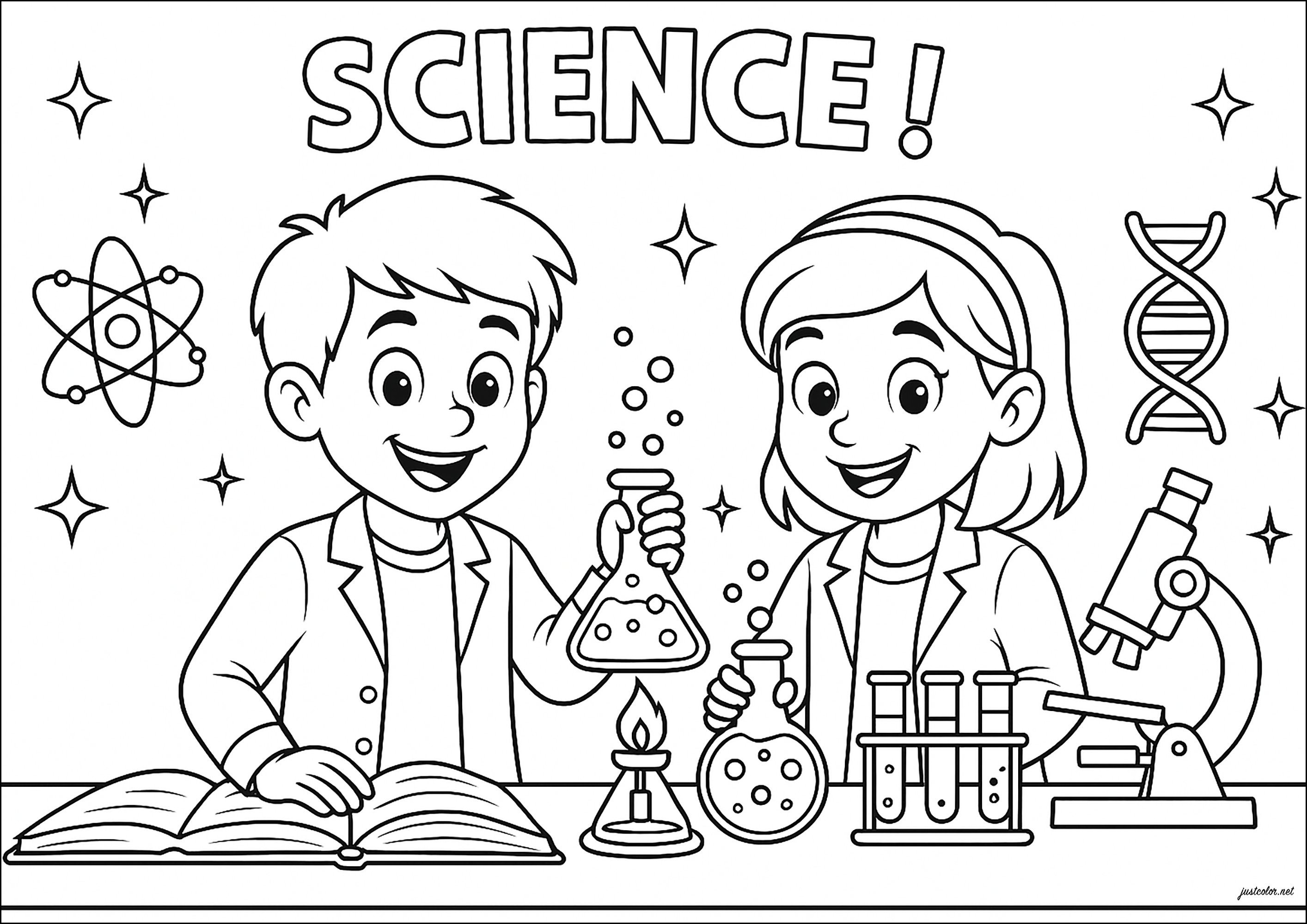
Instructions for Students: Fill in the blanks with your own scientific ideas. You can use terms from physics, biology, chemistry, astronomy, or any field that excites you!
Search Brief: Full National Science Day 2026 guide by Tina Khatri. Includes a DIY magnetic compass experiment, baked vegetable chip recipe, moisture evaporation food science, and a complete science-themed mystery poem for classrooms.
KEYWORDS: National Science Day 2026, DIY Science Experiments, Magnetic Compass Steps, Food Science Evaporation, Science Day Poem, Tina Khatri Blog.- Get link
- X
- Other Apps
- Get link
- X
- Other Apps