Satellite sensors spark detection surge while forest damage stays grounded
| Season | Madhya Pradesh (Statewide) | Indore Forest Division | Dewas Forest Division |
|---|---|---|---|
| 2022 | 26,831 | 367 | 1,304 |
| 2023 | 14,914 | 230 | 929 |
| 2024 | 26,831 | 287 | 1,152 |
| 2025 | 27,151 | 448 | 1,057 |
Comparative analysis of fire point detections (2022-2025)
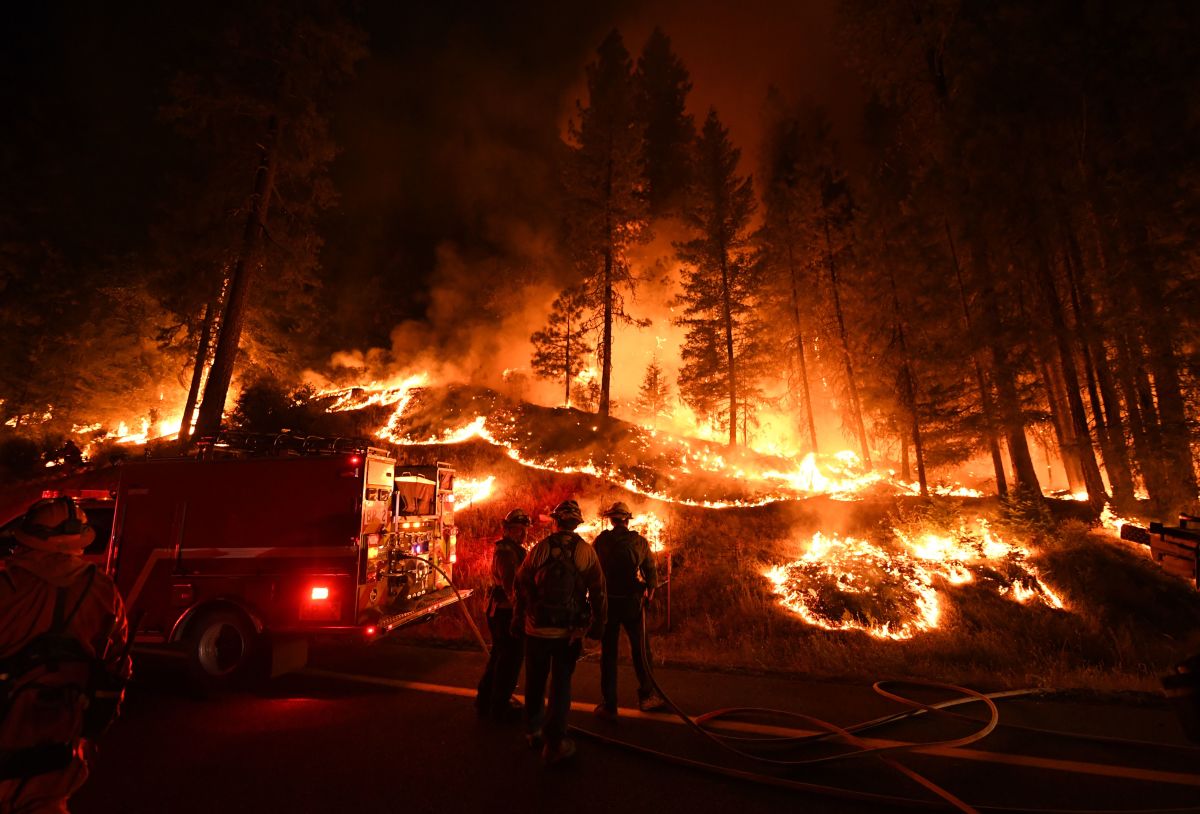
Satellite detections of heat in Madhya Pradesh increased by approximately 30 per cent between 2022 and 2025. Whilst such figures typically trigger alarm regarding escalating forest risks, data from Indore and Dewas indicates that actual damage remains limited.
Officials noted that improved early detection systems and rapid response strategies have successfully decoupled the number of fire points from the physical destruction of forest land. In Indore and Dewas, fire points rose sharply, yet the actual damage to forests has remained surprisingly low.
Improved sensors inflate statistics
The increase in fire points is largely due to the improved satellite detection technology now in use. Previously, smaller fires that did not pose a major risk were missed by older satellites like MODIS. However, with the introduction of SNPP-VIIRS satellites, even brief, minor fires are now detected.
Pradeep Mishra, divisional forest officer for Indore, explained that the surge in fire points is not an indication of worse forest fires; it is a result of better detection technology. He stated that the department is now able to detect small fires which were previously undetected.
Despite this increase in fire point numbers, satellite imagery shows that large burn scars have not increased. In fact, both Indore and Dewas have seen minimal forest damage.
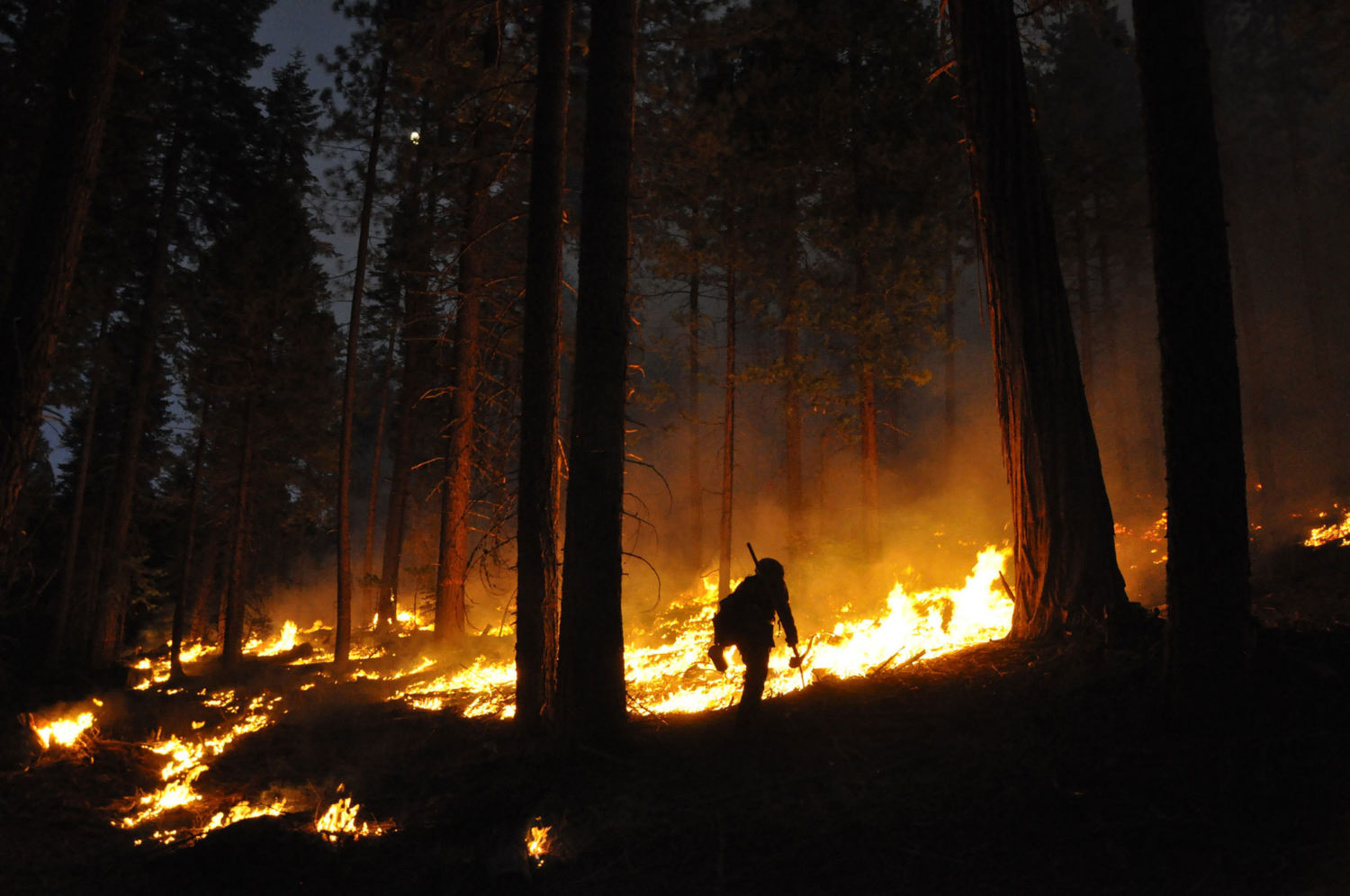
"The surge in fire points is not an indication of worse forest fires; it is a result of better detection technology. We’ve put systems in place to detect fires at the earliest stage, often within hours. When we catch fires early, we can control them before they spread."
Early detection: preventing escalation
The key to keeping damage low lies in the early detection of fires and a rapid response on the ground. In Indore and Dewas, fire teams are deployed quickly as soon as fires are detected, preventing small fires from becoming large-scale wildfires.
Data-driven fire management: a game changer
The eForestFire model, developed and implemented during 2019–2020 and later recognised with the National e-Governance Award, introduced a science-based and predictive approach to forest fire management. By analysing historical fire data, it enables authorities to identify high-risk zones (Fire Hotspots) well in advance, allowing strategic preparation through strengthening fire lines, pre-positioning resources, and ensuring rapid field response. Its successful adoption and application in Dewas and Indore demonstrates its scalability and its significant contribution to reducing forest fire damage through technology-driven governance.
Human activities: a significant factor
While climate change is often cited as a cause, human activities like mahua flower collection, tendu leaf harvesting, and agricultural clearing contribute to many fires in the region. These are often small fires that can easily spread if not caught early.
Mishra highlighted that many fires are caused by human activities, and these require early intervention to prevent escalation. By focusing on early response, management teams are able to contain these incidents quickly.
Key Takeaways
- Technological Surge: Fire points in Madhya Pradesh surged by 30% from 2022 to 2025, but this reflects better monitoring rather than a worsening crisis.
- Rapid Response: Improved satellite technology allows for the detection of smaller fires, which are controlled before they spread.
- Predictive Planning: The eForestFire model identifies fire-prone zones, allowing for resource deployment before fires even begin.
- Human Element: Activities like mahua collection are major causes, making early detection crucial for containment.
- True Success: The real measure of success is damage control and containment speed, not just the raw number of fire points.
A shift to proactive management
The experience of Indore and Dewas highlights a fundamental shift in fire management. Rather than reacting to fires once they start, the region has adopted a more predictive, data-driven approach. This shift from reactive firefighting to proactive management is the key to reducing forest fire damage, even as fire point numbers rise.